


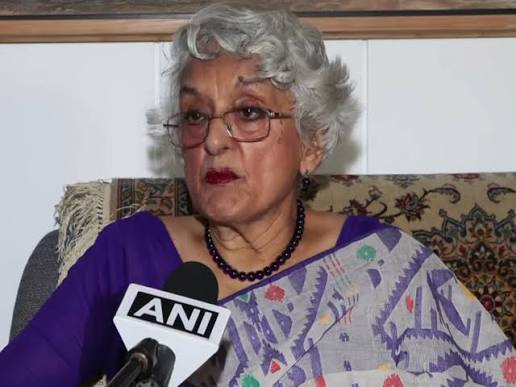
Former Indian diplomat Veena Sikri has described Sheikh Hasina’s request for a fresh passport and national identity card as a logical step toward her stated plan to return to Bangladesh and face the courts.
Speaking to ANI, Sikri noted that Hasina had “clearly announced, not only to Reuters but in the press conference in Delhi in the month of August and subsequently in many other press conferences, that she wants to go back and she’s prepared to face the courts in Bangladesh.”
She added that applying for a travel document made sense because Bangladeshi authorities had cancelled her existing passport and raised questions about her citizenship—claims Sikri rejected, saying “nobody can deprive her of her citizenship.”
Sikri called the Bangladesh government’s response “very surprising.” She said State Minister for Foreign Affairs Humayun Kabir’s continued emphasis on extradition showed that Dhaka “do not want Sheikh Hasina to go back.” “Just give her a travel document; she will be back, and then the legal process can take its course,” she argued, noting that extradition typically takes two to three years and that Bangladesh had not yet submitted the full documentation required for a formal request.
Sikri also pointed to what she called the “nervousness” of the current government and said public sentiment inside Bangladesh for Hasina’s return was “building up very strongly.” She stressed that any return would need clear assurances of safety and security.
Bangladesh government officials have firmly rejected the passport request and insisted on the extradition route.
State Minister Humaiun Kabir described Hasina as a “terrorist” and “fugitive criminal,” stating that Bangladesh does not issue passports to such individuals and that her return must proceed through the existing India-Bangladesh extradition treaty via an “acceptable prisoner exchange.”
Officials confirmed that a law firm (Matrix Chambers) had emailed the Bangladesh High Commission in New Delhi requesting new documents, but they questioned whether it constituted a proper personal application and said they were examining it under domestic law, which bars passports for persons convicted of serious offences.
International Crimes Tribunal Chief Prosecutor Md Aminul Islam reinforced the government’s position, saying Hasina has “no legal option but to face the execution of the verdict” after missing the appeal deadline on her death sentence for crimes against humanity.
Citing the Bangladesh Passport Order, 1973, he stated that issuing a passport or travel document to a convicted person sentenced to death would be “a mockery to the trial.” Islam advised that if Hasina genuinely wants to return, she should request the Indian government to extradite her under the bilateral treaty, adding that Dhaka has already formally initiated extradition proceedings and that India is reviewing the legal aspects.
He dismissed the passport move as a potential political stunt by elements within the banned Awami League.