

On 19 November 2026, the International Court of Justice (ICJ) in The Hague ruled that Myanmar’s security forces committed genocide against the Rohingya Muslim minority in northern Rakhine State during the 2017 “clearance operations.”
The 15-judge court decided by a 9-6 majority that Myanmar violated the 1948 Genocide Convention. This marked the first time in the ICJ’s roughly 80-year history that it has held a state responsible for committing genocide.
ICJ President Yuji Iwasawa stated that Myanmar’s forces killed at least 10,000 Rohingya civilians (drawing on UN fact-finding figures), carried out mass executions of men and boys, perpetrated widespread rape and sexual violence against women, committed extreme violence against children, burned or razed hundreds of villages, and attacked fleeing civilians.
The court found that the only reasonable inference from the scale, systematic nature, and targeting of these acts was an intent to destroy a substantial part of the Rohingya population. It confirmed acts of killing members of the group, causing serious bodily or mental harm, and imposing measures intended to prevent births.
The case was brought by The Gambia in 2019 (with interventions by 11 other states party to the Convention). The court ordered Myanmar to compensate the Rohingya (with the amount to be determined later), facilitate the safe and dignified voluntary return of those displaced, investigate and punish perpetrators, prevent future genocidal acts, provide guarantees of non-repetition, and report within two years on restitution measures.
It also found Myanmar had failed to prevent genocide and had violated a 2020 provisional order to preserve evidence.
Myanmar and China’s objections
On 20 November, Myanmar government spokesperson Khaing Khaing Soe rejected the ruling at a news conference in Naypyidaw, calling it “unfair,” “unjust,” and not unanimous. She said the military government was a victim of injustice and that “our country was unjustly accused.”
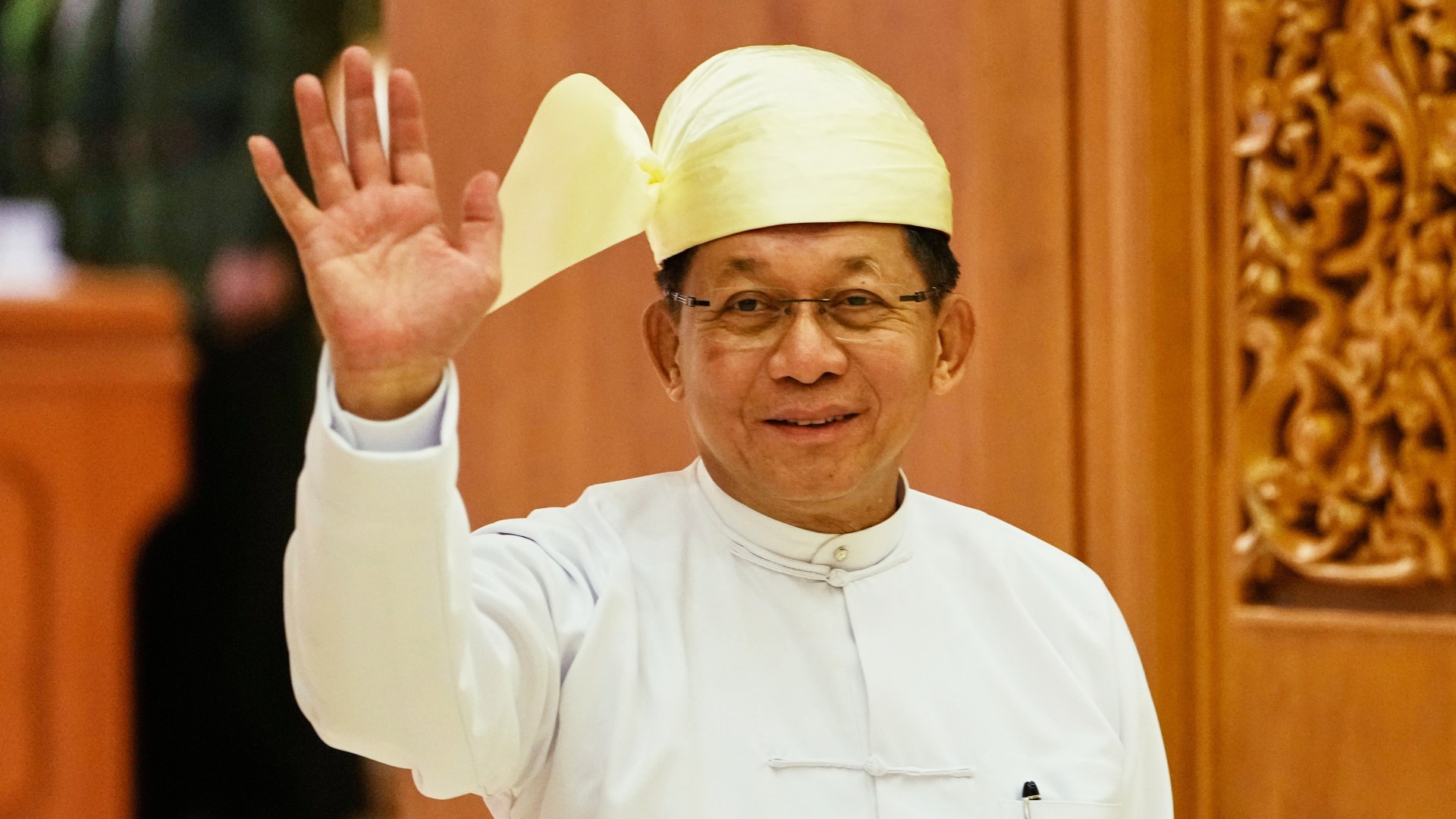
Myanmar has long maintained that its operations responded to attacks by the Arakan Rohingya Salvation Army (ARSA) and targeted militants rather than civilians with genocidal intent. The current president, Min Aung Hlaing, commanded the military during the 2017 crackdown.
China, a close ally of Myanmar’s military government, criticised the verdict. Foreign Ministry spokesperson Guo Jiakun said such rulings by the UN’s top court are “not conducive to the settlement of disputes” and raised concerns about “jurisdiction overreach and expanded interpretation.” He urged the international community to avoid complicating the issue.
The Chinese judge on the bench, Xue Hanqin, voted against the genocide finding and most related counts. A day earlier, China had joined the United States and Russia in a statement (linked to a trilateral summit) calling on international bodies such as the ICJ to refrain from abusing their jurisdiction.
Broader reactions
Reactions split along geopolitical lines. The European Union called the judgment a landmark and demanded that Myanmar implement it fully and without delay, stressing that compliance with ICJ decisions is an obligation under international law. The United Kingdom expelled Myanmar’s defence attaché, summoned its chargé d’affaires, and urgently called for a UN Security Council session (the body that can enforce ICJ judgments, though China and Russia’s veto power makes strong action unlikely).
UN Secretary-General António Guterres described the ruling as a demonstration of international justice and a rejection of impunity. The Organisation of Islamic Cooperation and human rights groups such as Human Rights Watch welcomed it as historic vindication for survivors.
The United States reacted more cautiously. The State Department said it was studying the judgment to assess its implications, emphasised the importance of properly interpreting the Genocide Convention, and stressed the need to avoid politicisation of the ICJ. It reiterated support for the people of Myanmar and grave concerns over abuses against the Rohingya while noting the US is the largest humanitarian donor to the crisis response.
The 2017 operations drove an estimated 700,000–730,000 Rohingya into Bangladesh, where more than 1.2 million now live in camps such as those in Cox’s Bazar; many reacted with tears of joy and prayers for return when the verdict was announced on screens there. Malaysia has announced plans to resettle 10,000 Rohingya migrants in Türkiye. Myanmar remains in a multi-front civil war, including in Rakhine State, complicating any returns or reparations.
The ruling’s reasoning on inferring genocidal intent from circumstantial evidence and on the duty to prevent genocide (even before it fully materialises) is expected to influence pending ICJ cases, including South Africa’s against Israel. Enforcement, however, faces major practical and political obstacles given Myanmar’s isolation, its allies’ positions, and the limits of the Security Council.