


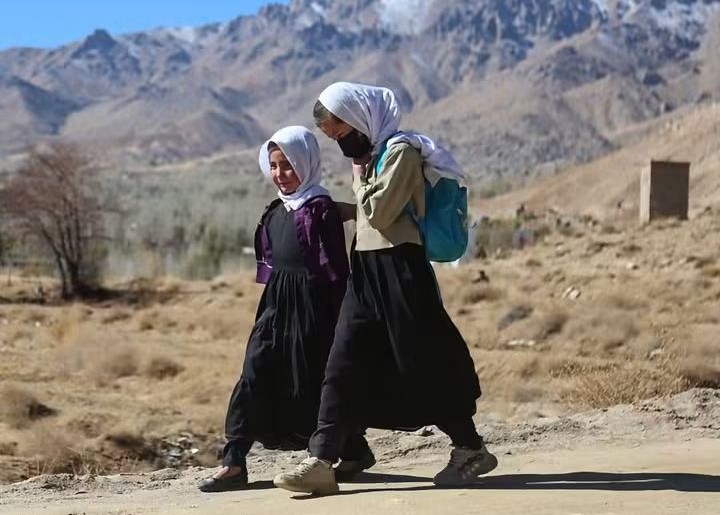
Despite sweeping, draconian restrictions imposed by the Taliban following their return to power, Afghan women and girls are quietly finding ways to resist, organize, and reclaim their futures through underground networks.
Ever since the U.S.-led military withdrawal in August 2021, the Taliban has systematically erased women from public life. Secondary and higher education for girls have been largely banned, beauty salons outlawed, public parks and gyms restricted, and strict dress codes enforced by the Ministry for the Promotion of Virtue and Prevention of Vice.
Despite the constant threat of detention, beatings, and severe economic hardship, resilient women across Kabul are forging paths of quiet defiance.
Hidden Classrooms: Keeping Education Alive
In private homes with staggered arrivals and guarded doors, informal underground classrooms are operating under the radar. Run by young women and volunteers, these clandestine schools teach standard subjects such as history, science, mathematics, literature, and languages to groups of students, including teenage girls up to age 20.
For young educators, the initiative is a vital lifeline to combat depression and give hope to a generation whose academic aspirations were abruptly halted. However, the psychological toll remains heavy; students and teachers live in constant terror that morality patrols or authorities will discover their locations and make arrests.
Underground Salons and Livelihoods
With the government ban forcing women out of traditional workspaces and leaving households without primary breadwinners, some former salon owners are risking everything to restart their businesses behind closed doors.
Operating out of unmarked apartments, beauticians continue to serve clients preparing for weddings and private celebrations. Despite the constant fear of raids—which have previously stripped operators of equipment and furniture—these secret businesses provide essential income for female employees striving to support their families.
Reclaiming Sports in Private Spaces
Athletes whose careers were abruptly shattered by the ban on women’s sports have similarly adapted. Former soccer players and athletes have turned to makeshift indoor training routines—boxing with makeshift equipment or coaching young boys in private courtyards—to maintain their passion and keep their athletic dreams alive.
Official Stance
While the international community and human rights organizations continue to condemn the sweeping restrictions, Taliban officials maintain that the restrictions are aligned with Islamic Sharia law. Spokespersons have previously claimed that authorities are working to address societal needs while ensuring safety, though no concrete timeline or progress toward restoring women’s educational and professional freedoms has materialized.
For now, the women of Kabul continue to navigate a dangerous landscape—balancing the risk of severe punishment against an unyielding determination to learn, work, and survive.