


Transparency International Bangladesh (TIB) has strongly criticised the State Minister for Local Government, Rural Development and Cooperatives for remarks that, according to the organisation, amount to a ploy to legitimise bribery under the guise of “gifts.”
In a statement issued on Wednesday, TIB demanded that the State Minister withdraw his comments, issue a public apology, and that the government clarify its official position on the matter.
The watchdog also called for verification of a senior secretary’s alleged advice mentioned by the minister, along with accountability and necessary legal action.
On 10 November, while inaugurating a training programme for newly appointed assistant engineers of the Local Government Engineering Department (LGED), the State Minister said that after maintaining work quality and ensuring prompt bill payment, gifts given to engineers from a contractor’s profit should not be considered bribes and could be accepted. TIB expressed sharp condemnation of the remarks.
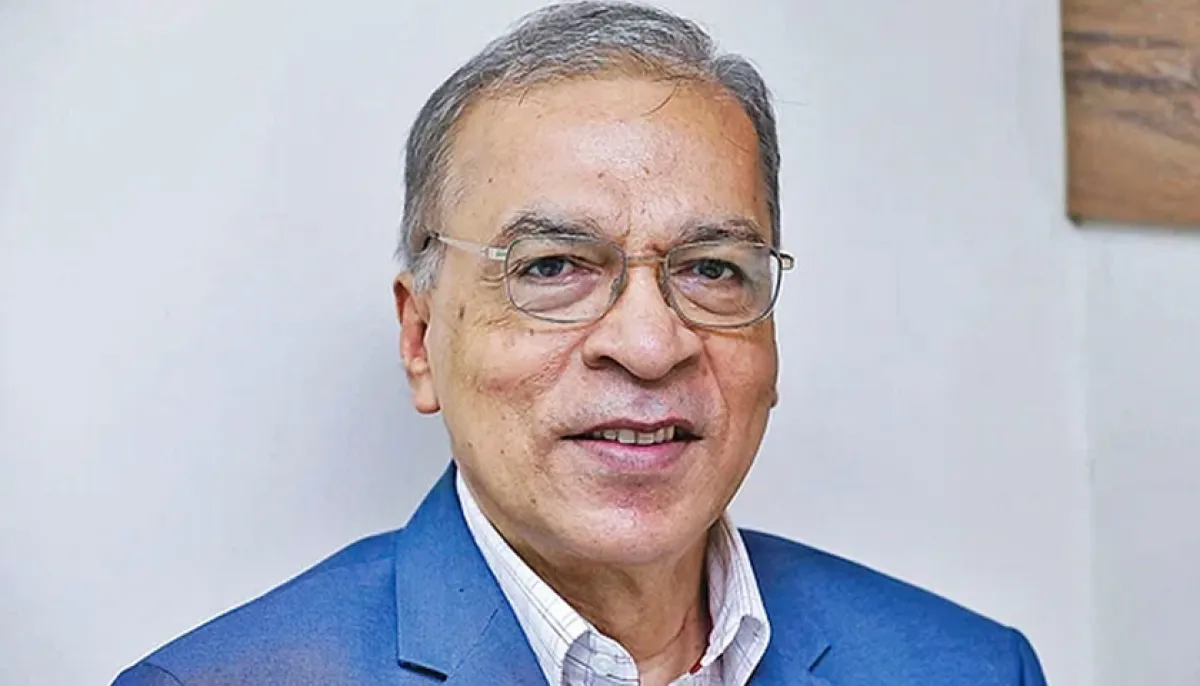
TIB Executive Director Dr Iftekharuzzaman said verifying work quality, taking over completed projects, and ensuring timely bill payments in accordance with rules are routine duties of government engineers, for which they already receive salaries and benefits from public funds. He questioned why there should be any scope for engineers to accept illegal money from contractors in the name of gifts for performing these duties.
“Is the State Minister legitimising bribery by calling it a gift, or is he indirectly encouraging bribery?” he asked. He described advising newly recruited engineers—whose responsibility is to prevent irregularities in public procurement—to accept benefits outside the rules as extreme irresponsibility and a violation of the law. Such comments, he warned, would legitimise bribe demands at the field level and further spread corruption.
Dr Iftekharuzzaman challenged the minister to publicly identify any law or regulation that permits engineers to take personal benefits from contractors’ profits as a reward for performing regular duties. He cited relevant provisions of the Penal Code (Sections 161 and 165), the Government Servants (Conduct) Rules, 1979, and the Public Procurement Rules, 2025, noting that none of these allow personal benefits from contractors’ profits in the name of gifts for official work.
He also highlighted the conflict-of-interest risk: an engineer who personally benefits from a contractor whose work he supervises cannot maintain impartiality. Such transactions could influence supervision and bill certification decisions, undermine fair competition among contractors, and increase the risk of collusion and corruption. He warned that the practice could spread to other government departments and eventually turn “voluntary gifts” into a widespread condition for receiving public services.
Regarding the State Minister’s reference to advice from a senior secretary, Dr Iftekharuzzaman said that if the advice was indeed given as described, serious questions arise about the secretary’s professional integrity and fitness to hold office. He added that it is natural to question whether there is any collusion between the State Minister and the senior secretary to institutionalise corruption.
TIB also reminded the government of an earlier controversy involving Road Transport and Bridges Minister Sheikh Rabiul Alam. Earlier this year, Sheikh Rabiul Alam created an uproar by defending the collection of money (often described as extortion or tolls) from buses and trucks on highways. He argued that funds collected by owners’ and workers’ associations through mutual understanding or consensus for welfare purposes should not be termed extortion, and that only forced payments qualified as such. The remarks drew strong criticism from TIB and others at the time.
Dr Iftekharuzzaman said the government must recognise that such unchecked, corruption-friendly positions by people in responsible offices are an ominous sign for itself and contradict its election manifesto.
In its statement, TIB called on the State Minister to unconditionally withdraw the remarks and publicly apologise. It also demanded that the government seek a formal explanation from him to ensure accountability, and verify the senior secretary’s alleged advice before taking appropriate legal steps.