


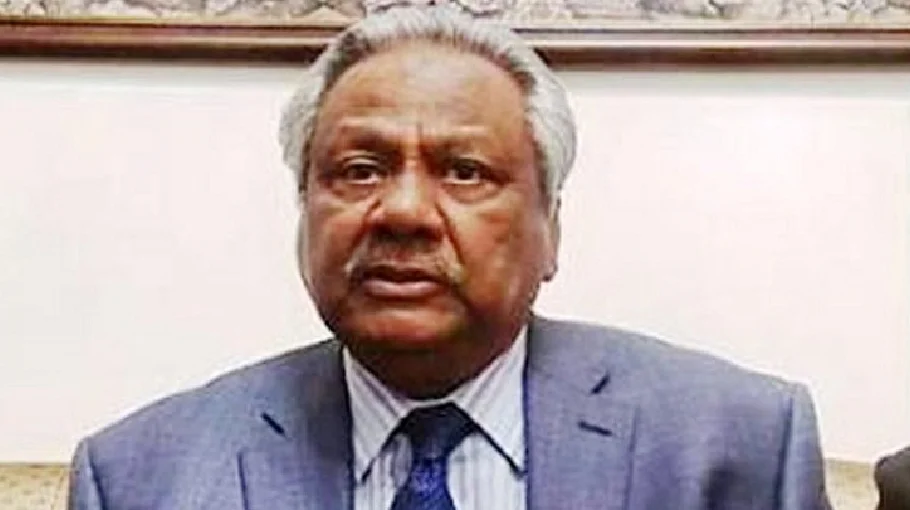
Dr. Mohammad Osman Faruk, the BNP vice-chairman and lawmaker from Kishoreganj-3 (Constituency No. 164), has resigned from the 13th National Parliament.
Speaker Hafiz Uddin Ahmed confirmed the resignation and declared the seat vacant at the start of Tuesday’s sitting.
Faruk emailed a signed resignation letter to the Speaker, effective from November 14. The Speaker received it on November 15, found it compliant with the rules, and accepted it. Under Article 67(2) of the Constitution, the seat became vacant from the forenoon of November 15. The House was informed in line with Rule 178(3) of the Rules of Procedure of Parliament.
In the letter, Faruk cited physical illness. He has been in the United States for some time for medical treatment and submitted the resignation from there. He also did not vote in the presidential election on August 20 while in the US.
A high-level BNP source, however, said Faruk had been dissatisfied after not receiving a ministerial portfolio and that this grievance may have prompted the resignation.
Faruk, a BNP central vice-chairman and former education minister, is an agricultural economist. He studied economics at Dhaka University and earned higher degrees from the University of Texas and Cornell University. He taught at Bangladesh Agricultural University and worked as a senior World Bank official before entering politics at the call of BNP Chairperson Khaleda Zia.
He was elected from Kishoreganj-4 in 2001 and served as Education Minister in the four-party alliance government from October 10, 2001, to October 29, 2006. After nearly eight years abroad, he returned on October 24, 2024, following the fall of the Sheikh Hasina government, and was given a public reception by local BNP leaders.
In the February 12, 2026 election, he won Kishoreganj-3 on a BNP ticket. The vacancy is expected to trigger a by-election. While the official reason remains health, the reported political dissatisfaction has drawn attention within party circles. In the cabinet and other top positions of the government and semi-government institutions, party chairman and Prime Minister Tarique Rahman has prioritised his close circle, triggering grievances among many senior leaders.