

At least 111 people faced cases, arrests, detention, physical attacks, or other harassment for expressing their views between January and October 2026, according to a report by the Human Rights Support Society (HRSS).
Of them, 62—or 55.9 percent—were targeted over criticism of the prime minister, his family, the government, or BNP leaders.
HRSS documented 86 incidents across 38 districts. The findings were presented on November 18 at a roundtable on freedom of expression and cyber protection at the Jatiya Press Club in Dhaka, where speakers and the organisation itself highlighted ongoing pressures on speech even as domestic advocates push for reform.
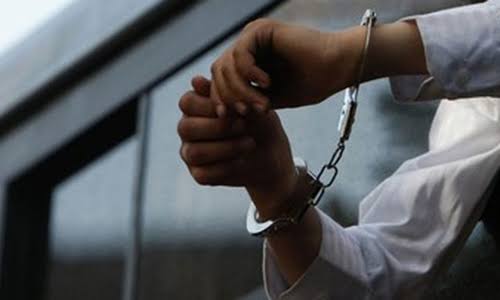
Of the 111 affected, 66 were arrested or detained (63 men and three women). Forty-seven were shown arrested in formal cases, while 19 were detained without any cases filed—raising due-process concerns. Legal actions totalled 66 instances: 36 under cyber-related laws, 13 involving defamation and other Penal Code provisions, and 10 under the Anti-Terrorism Act.
Triggers included 23 cases over criticism of religion or religious figures, 22 over criticism of the prime minister, 10 over comments on the July Mass Uprising, seven over news reports, and seven over alleged defamation of BNP leaders. Journalists were disproportionately hit: 25 of the 84 victims whose professions could be identified were journalists; cases were filed against 23 of them and four were arrested.
HRSS linked cases against 14 journalists to BNP leaders or members of affiliated organisations.
Violence accompanied the legal measures. At least four people were assaulted, two were beaten to death, and eight lost jobs or were expelled from educational institutions.
HRSS Executive Director Ijajul Islam noted that successive cyber laws have been used against journalists, human rights activists, and others for expressing views. The organisation reviewed proposed amendments to the cyber protection law and warned that several provisions could further restrict freedom of expression, privacy, and journalistic work.
It called for the removal of criminal defamation provisions, clearer definitions of speech-related offences, and explicit safeguards for political satire, government criticism, investigative journalism, and peaceful dissent. It also urged independent judicial oversight of online content blocking and stronger protections against arbitrary arrests.
These findings come against a backdrop of domestic advocacy—evident in the Press Club roundtable and related discussions by rights groups, lawyers, and journalists—and Bangladesh’s obligations under Article 39 of the Constitution and Article 19 of the International Covenant on Civil and Political Rights. Multiple outlets have covered the report, and groups such as Human Rights Watch have separately flagged related concerns over targeting of critics and academics in the post-2024 political landscape.
The data show the pattern of using legal, physical, and institutional tools against expression continues even as civil society and international standards call for greater tolerance of criticism and reform of restrictive laws.