


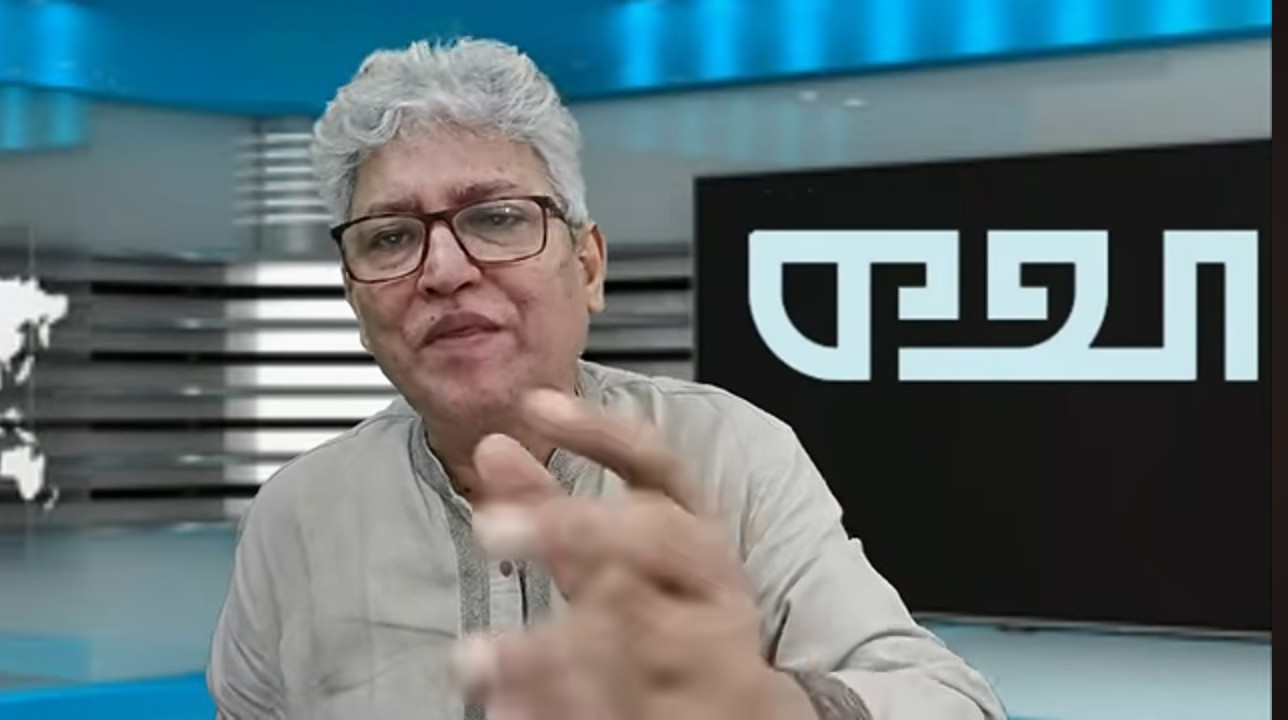
Political commentator and senior journalist Masood Kamal has weighed in on the unrest in Gopalganj and Tungipara, arguing that the crisis reflects deeper political exclusion and accumulated grievances while praising the government for avoiding an all-out violent crackdown.
Speaking on his YouTube commentary program KOTHA, Kamal highlighted scenes of damage and police withdrawal at Tungipara police station—including vandalism, arson at police quarters, and earlier looting of weapons that he noted were subsequently returned.
Restraint vs. Underlying Grievances
Kamal contended that authorities showed restraint by not responding with lethal force, mass curfews, or sweeping arrests against local residents, noting that unlike the deadly clashes of 2024, no police personnel were burned alive or shot in the recent Tungipara incident.
At the same time, he said both protesters who stopped short of greater escalation and the government for taking a controlled approach deserved credit for avoiding worse bloodshed.
However, Kamal argued that unrest cannot be viewed simply as isolated criminality without addressing why people feel cornered.
Pointing to bans on political activity, arrests over slogans or attending funerals, legal cases, and economic hardship, he said many grassroots supporters and residents in districts like Gopalganj and neighboring areas feel stripped of normal civic life and basic dignity.
Political Polarization and Call for a Political Solution
Kamal criticised successive political divisions—from past “liberation spirit” exclusionary standards to newer political labels—warning that sidelining large segments of the population fuels resentment and fear, even among people from Gopalganj living in Dhaka who hesitate to disclose their home district.
While stressing that arson and violent shows of force do not solve problems and mainly harm ordinary people on the ground rather than distant political figures, Kamal urged the government to address what he described as a political problem through political means rather than executive bans.
The senior journalist also argued that while rank-and-file activists should have space for normal politics, party figures tainted by past corruption should not be allowed to return to lead in the same manner.