


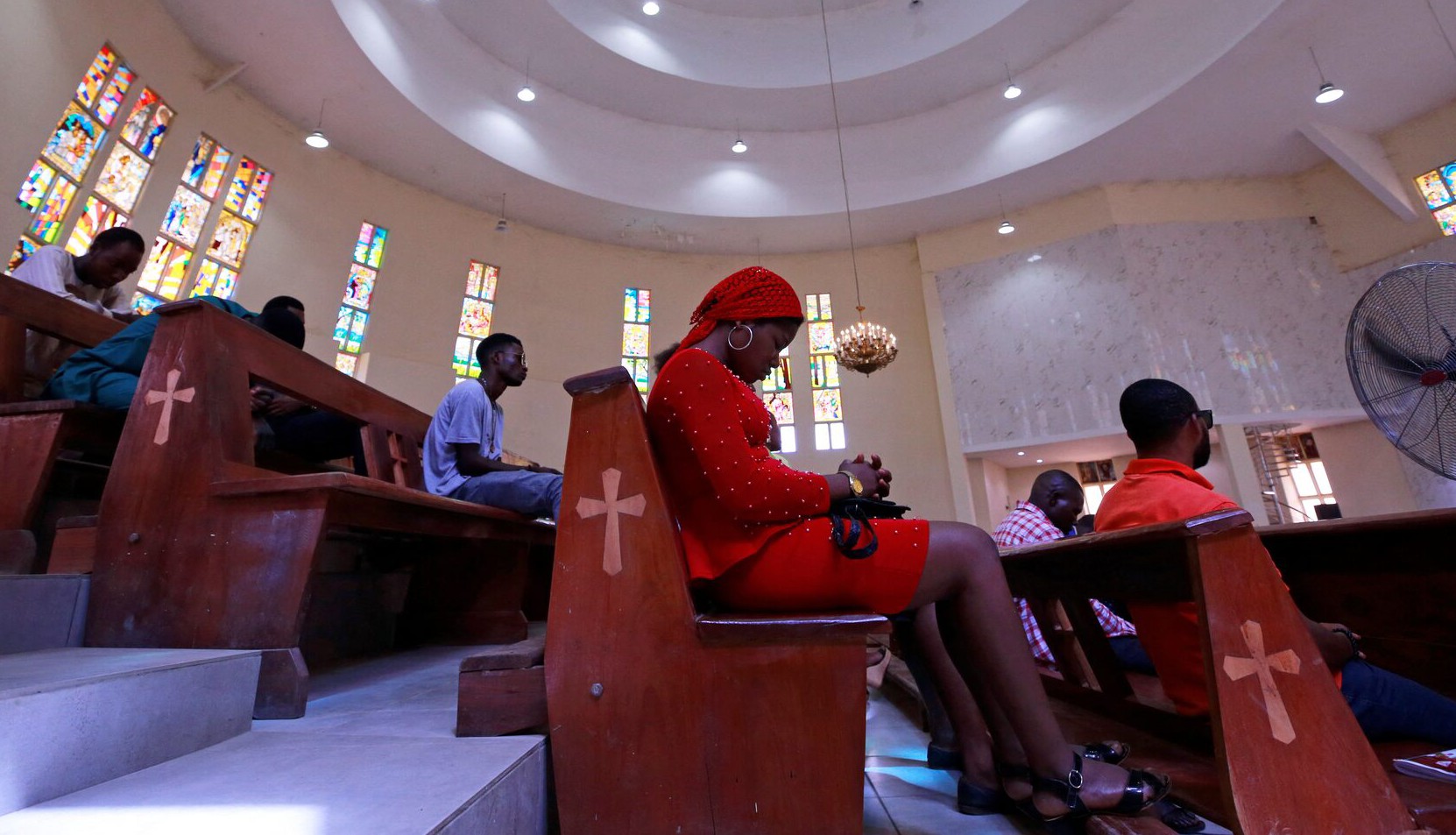
US State Department officials told a House Foreign Affairs Subcommittee hearing on November 12, 2026, that attacks on Christian communities in Nigeria have continued despite the Trump administration’s designation of the country as a “Country of Particular Concern” (CPC) for religious freedom violations on October 31, 2025.
Assistant Secretary of State Frank Garcia described the violence as a top priority, noting that the State Department is working with Nigerian authorities on security deployments, faster responses to early warnings, accountability for perpetrators, and military cooperation.
“Unfortunately, the violence has not stopped,” he said, citing a July 2026 attack in Kaduna and killings in Plateau State in August and September.
Assistant Secretary Riley Barnes acknowledged Nigerian steps—hiring more police, deploying forest guards, and increasing arrests and prosecutions—but said these had not produced greater safety for Christians in the Middle Belt.
He cited an 18% national rise in civilian deaths and a 161% jump in Plateau State from 2025 to 2026, along with witness accounts of attackers using religious language and specifically targeting Christians.
Representative Riley Moore (R-WV) and Subcommittee Chairman Chris Smith (R-NJ) pressed for stronger action, with Moore stating the CPC designation should remain because Nigeria “have not done enough.” Smith noted Nigeria’s ranking as the world’s deadliest place for Christians on faith-related grounds.
Nigerian officials have previously rejected the CPC designation as based on misinformation and faulty data. They frame the insecurity as terrorism, banditry, and farmer-herder clashes driven by resource competition rather than targeted religious persecution, while welcoming cooperation against insurgents that respects Nigeria’s territorial integrity.
Some arrests of suspected Fulani militia leaders and the formal designation of certain groups as terrorists have occurred under US pressure, but US officials describe the overall pace as insufficient.
Scale of the Violence
Open Doors’ 2026 World Watch List ranks Nigeria 7th globally for Christian persecution and the most violent country for Christians. Of 4,849 Christians killed worldwide for faith-related reasons in the year to September 2025, 3,490 (72%) were in Nigeria.
The Observatory for Religious Freedom in Africa recorded roughly 22,835 Christian civilians killed between October 2019 and September 2025, with nearly 60% in Kaduna, Benue, Niger, and Plateau; Christians were killed at several times the rate of Muslims in key Middle Belt states.
Reports from Intersociety and others claim thousands more Christian deaths and abductions in the first eight months of 2026, concentrated in the Middle Belt, along with hundreds of churches attacked and over a million people displaced into camps.
Primary actors include Fulani ethnic militias in the Middle Belt, Boko Haram/ISWAP in the northeast, and bandit groups; attacks frequently hit Christian farming villages, churches, and communities around holidays.
Timeline of Notable Massacres and Attacks Targeting Christian Communities (Selected, Non-Exhaustive)
- 2001 onward: Ethno-religious crises in Jos and surrounding Plateau areas kill hundreds in waves of violence between Muslim and Christian communities.
- ~2010–2015 onward: Escalation of armed Fulani militia raids on predominantly Christian farming villages across the Middle Belt (Plateau, Benue, Kaduna, Taraba), involving killings, arson of homes and churches, land occupation, and displacement.
- Christmas Eve–Day 2023 (December 23–25): Coordinated attacks on ~17–25 villages in Bokkos, Barkin Ladi, and Mangu LGAs of Plateau State. Death toll estimates range from ~115 to over 200 (mostly civilians, including women and children); hundreds injured, thousands displaced, churches and homes burned. Attributed to Fulani militias; security response criticized as delayed.
- April 2025: Multiple attacks in Plateau (including Zike village in Bassa LGA, ~56 killed including children; coordinated assaults in Bokkos area killing dozens) and related Benue incidents.
- June 13–14, 2025: Attack on Yelwata community and market/IDP areas in Guma LGA, Benue State. Armed assailants (suspected Fulani militants) killed scores—reports range from ~100 (Amnesty/Reuters) to 150–272 (local/memorial tallies, including many women and children). Homes and stores burned; thousands displaced. Nigerian authorities later charged nine men with terrorism-related offenses.
- 2026 (ongoing): Continued raids in Plateau (sharp increase noted by US officials; dozens killed in Mangu, Riyom, Barkin Ladi, and other areas in August–September alone), Benue, Kaduna, and elsewhere. Examples include multiple small-to-medium attacks in Plateau and Benue in early–mid 2026, plus larger incidents such as the February 2026 Woro attack in Kwara. Warnings from communities often went unheeded according to local reports.
US-Nigeria Joint Working Group meetings have occurred in Abuja and Washington, with the US providing some funding for early-warning systems, legal support, and documentation.
US officials emphasize “trust but verify” and continued scrutiny ahead of Nigeria’s 2027 elections, where insecurity remains a major issue.